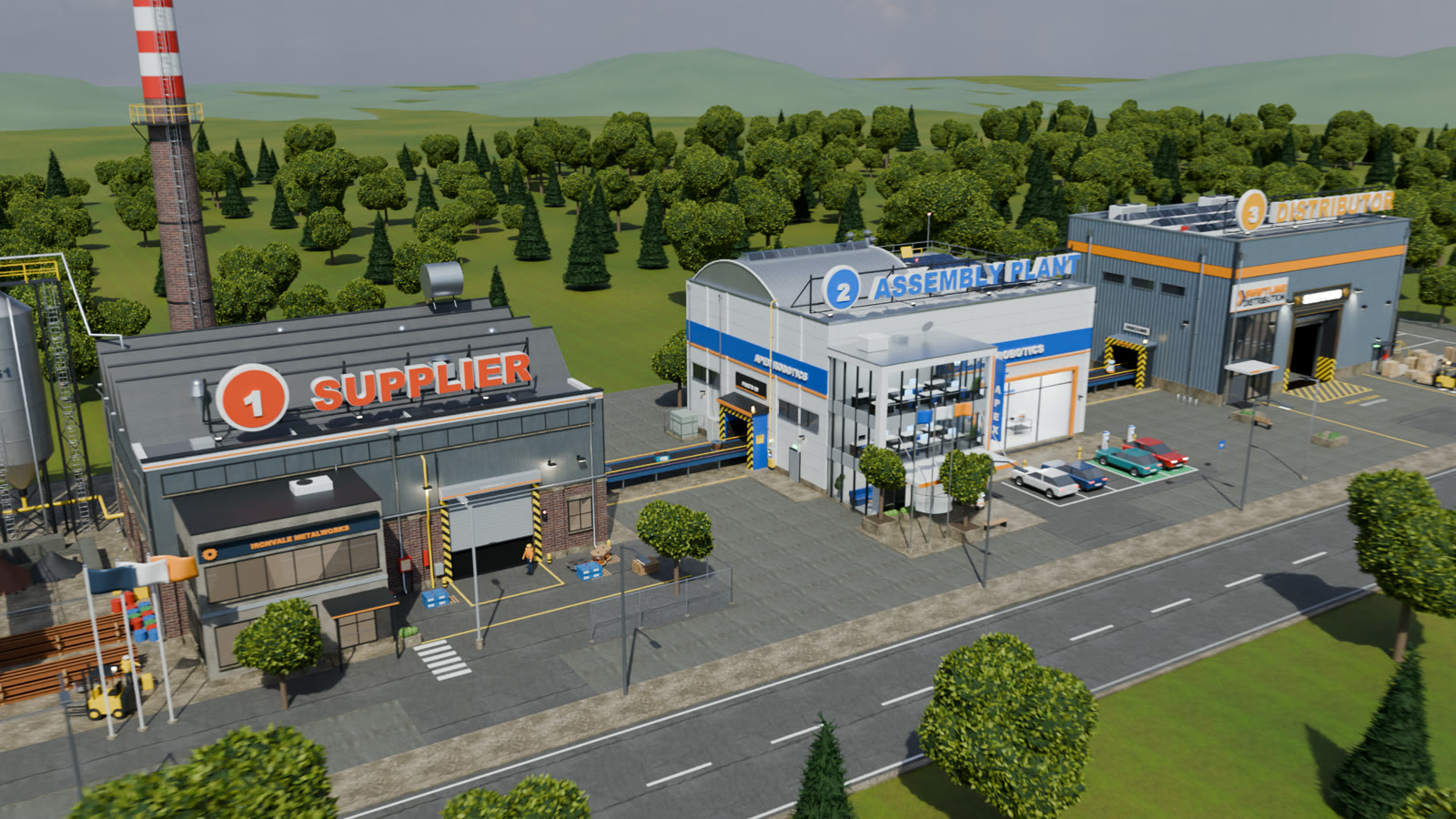
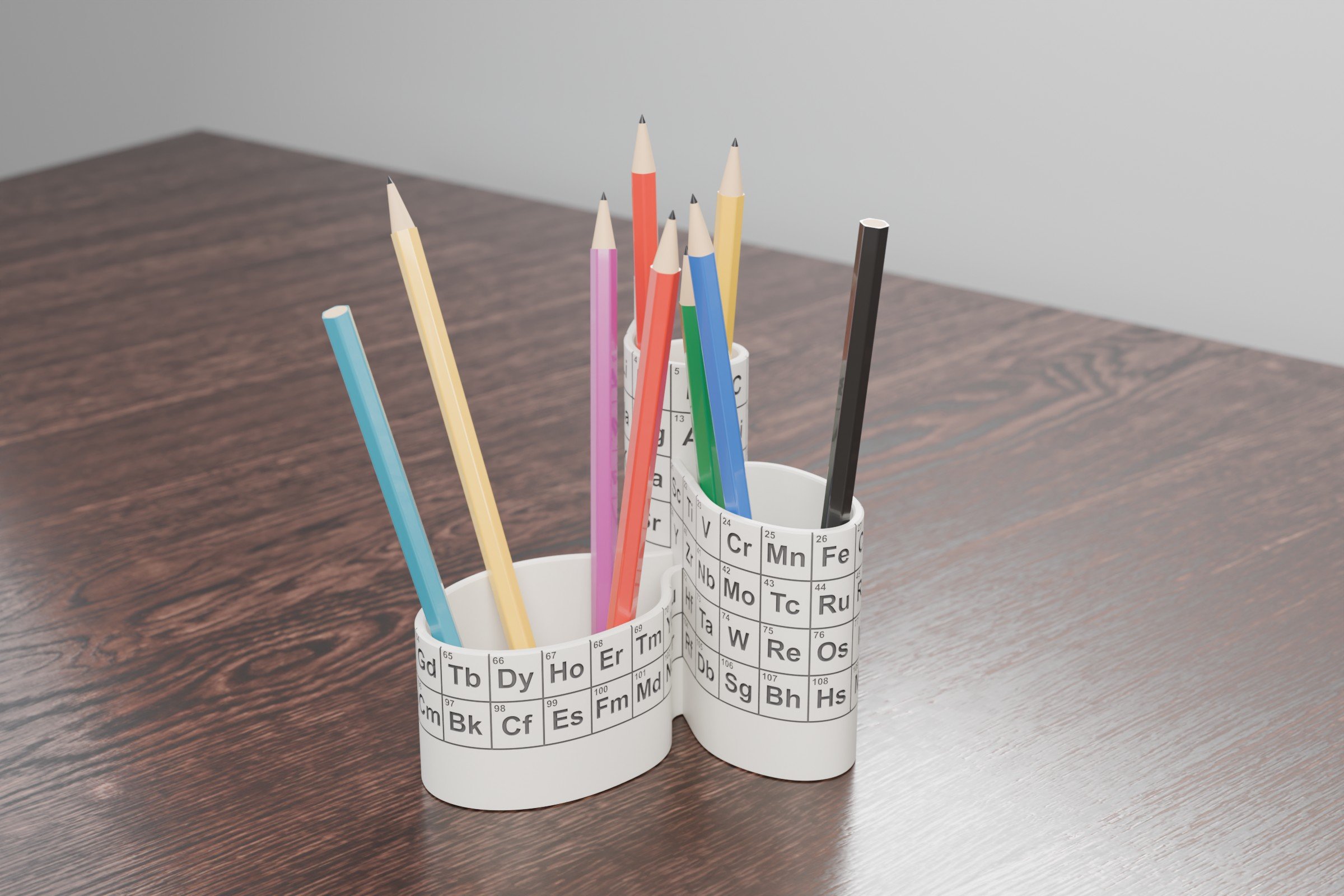
I wanted to know which parts of a good image prompt actually do the work. YouArt collected 150 community prompts for GPT Image 2.5 in awesome-gpt-image-2-5-prompts. I picked 50 of them, portraits, product campaigns, typography posters, cinematic scenes, storyboards, edits and character sheets, and wrote notes on each: why it works, which lines carry the effect, and what to change to reuse it. I ran every one of them through the Images API, 60 images in all, and each caption says what the model got right and where it did not follow the prompt.
Open the guide: 50 prompts with notes and images
It takes 20-30 minutes to skim and about 75 minutes to read with the prompts, plus half an hour for the style library.
The style library at the end of the guide lists all 103 ChatGPT restyle prompts from Visual AI Club: photos of people turned into LEGO minifigures, Pixar-style 3D, game art, toys, caricatures and outfits. The styles are grouped so you can compare them side by side: styles that would work as a printed figure first (chibi and Pixar-style figures, toys, caricatures, brick, clay, game characters), then extra inspiration. 95 of the styles have the full prompt, taken from Visual AI Club’s Google Docs and the authors’ X posts, and most have the site’s example images in a small carousel.
What I found
- JSON alone does not help. 12 of the 50 prompts are JSON. They are good where there are many addressable parts: grids, character sheets, label lists. The viral “JSON beats prose” comparisons usually put a detailed JSON prompt against a short prose one.
- Describe the camera and its flaws. The most realistic prompts name one capture device and what it does wrong: flash in daylight, JPEG damage, motion smear. “8K masterpiece” does the opposite.
- Count things. “exactly 5 stops”, “1 citrus wedge”, “2 palm trees”. Anything that can multiply should have a number.
- Edits need a contract. Say what changes, list everything that stays, and repeat the list every turn.
- Prompts about a woman’s body can fail on 2.5. Three community prompts, two portraits and an anatomy-plate edit, were refused twice by GPT Image 2.5 output moderation when sent as written. Sunburst accepted all three after small wording edits (lips closed, a modest neckline, jeans instead of shorts, a seated pose, fewer anatomy labels). Flare refused one of them even after 4 rewrites. The guide shows each edit.
- Sunburst adds slogans. 8 of 22 later Sunburst images added a slogan nobody asked for, usually about brighter or better days. Flare added copy in 2 of 11.
- Some fields do nothing.
"resolution": "8K",--ar 4:5and"style_strength": 0.75are read as text. Size and quality are API parameters.
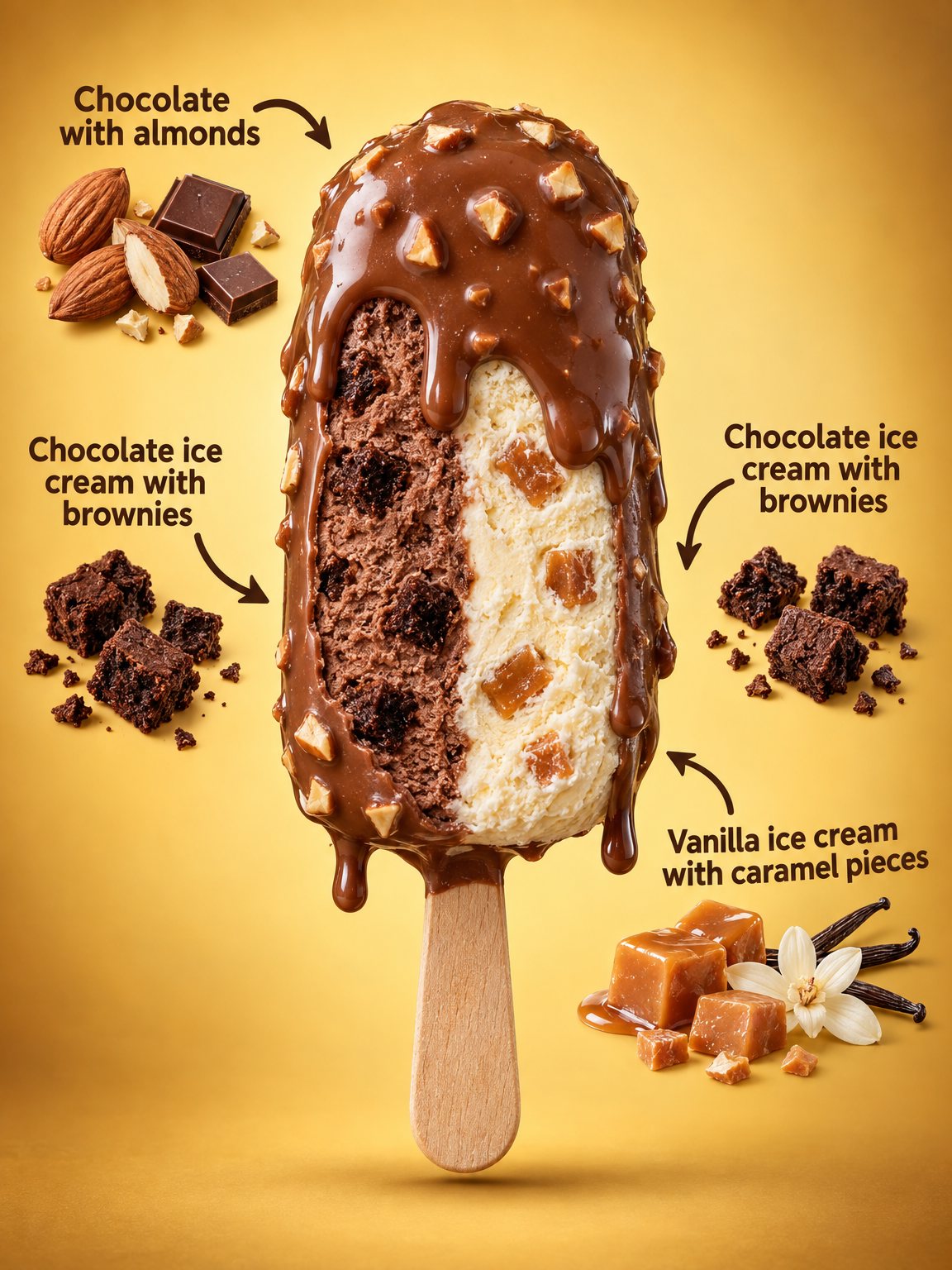
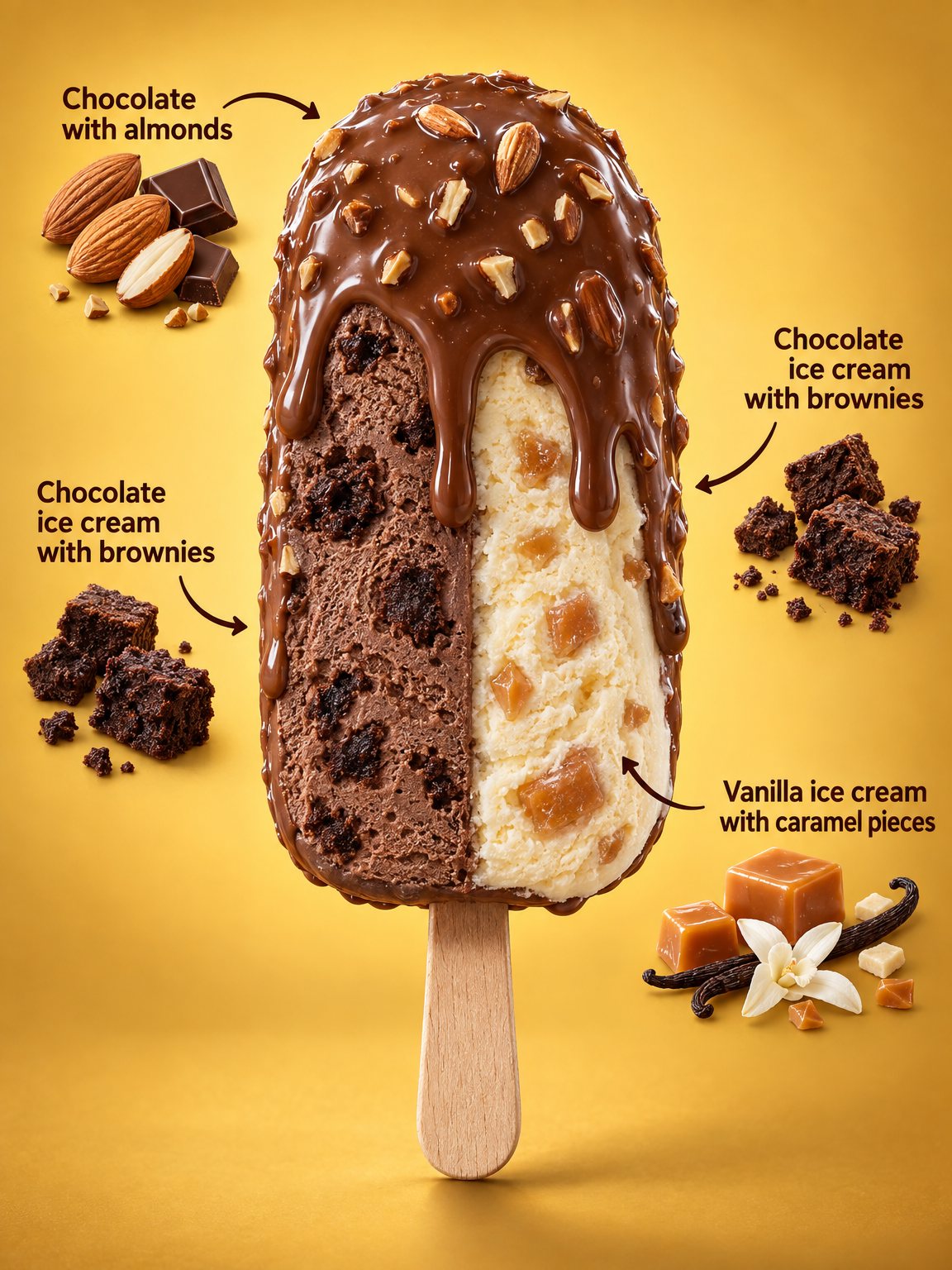
Same content, JSON vs prose
An ice cream ad JSON prompt by @iamaiistudio, sent as written, and my prose rewrite of the same fields. The source has a bug, the same label twice, and it stays in both versions.
One photo, six edits
All six edits start from the same fictional person, generated from my own prompt, and each starts from the original rather than the previous edit.
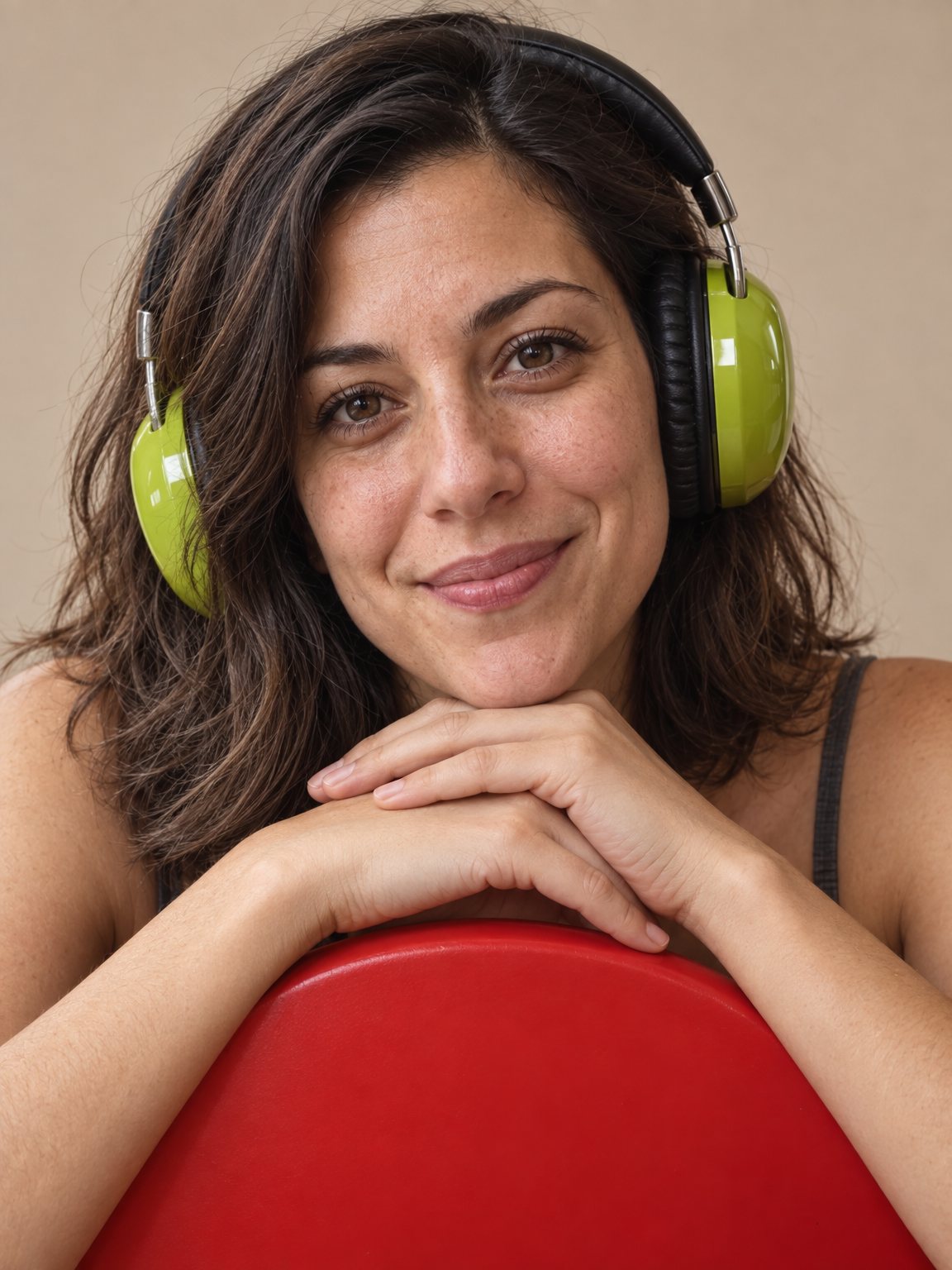
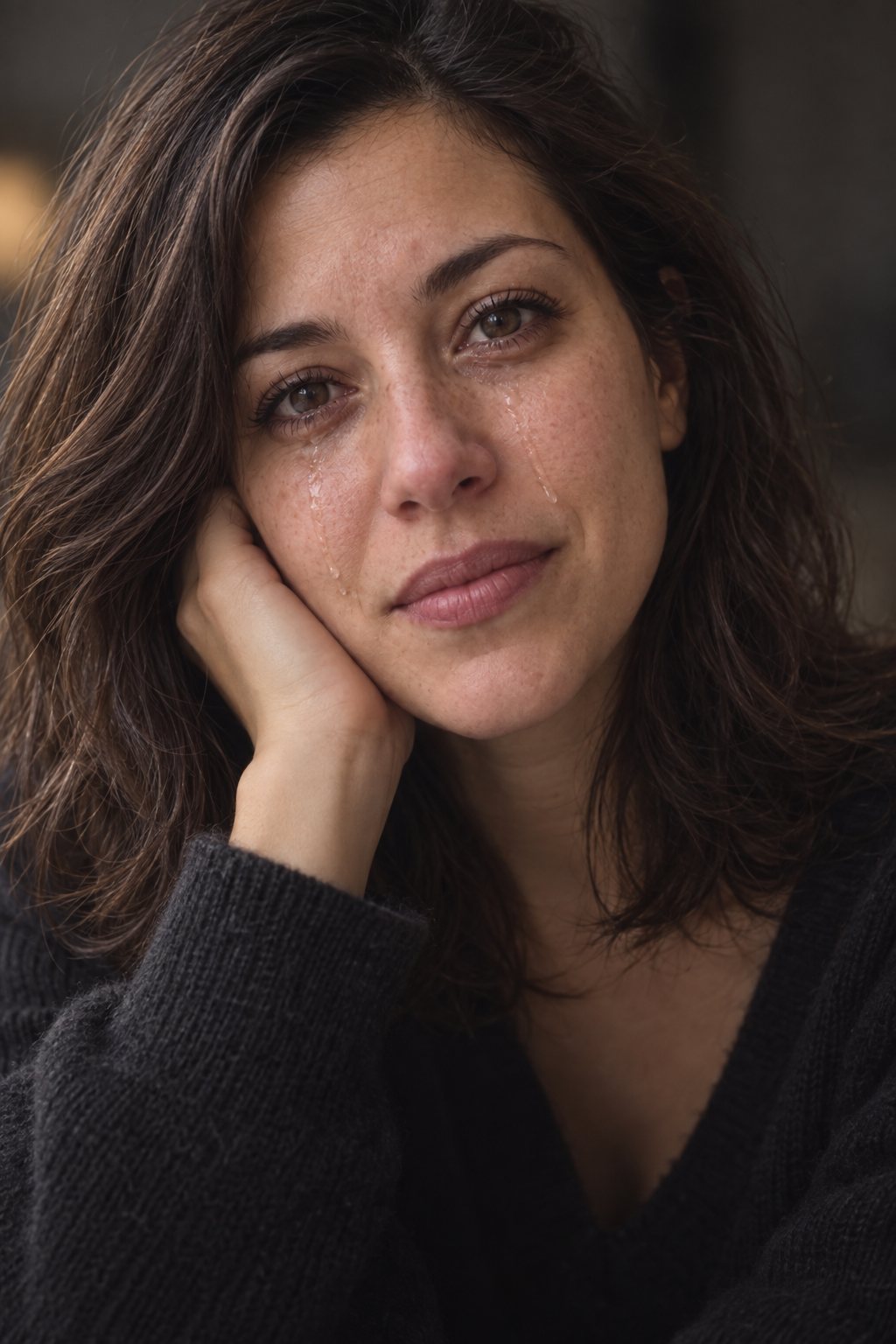
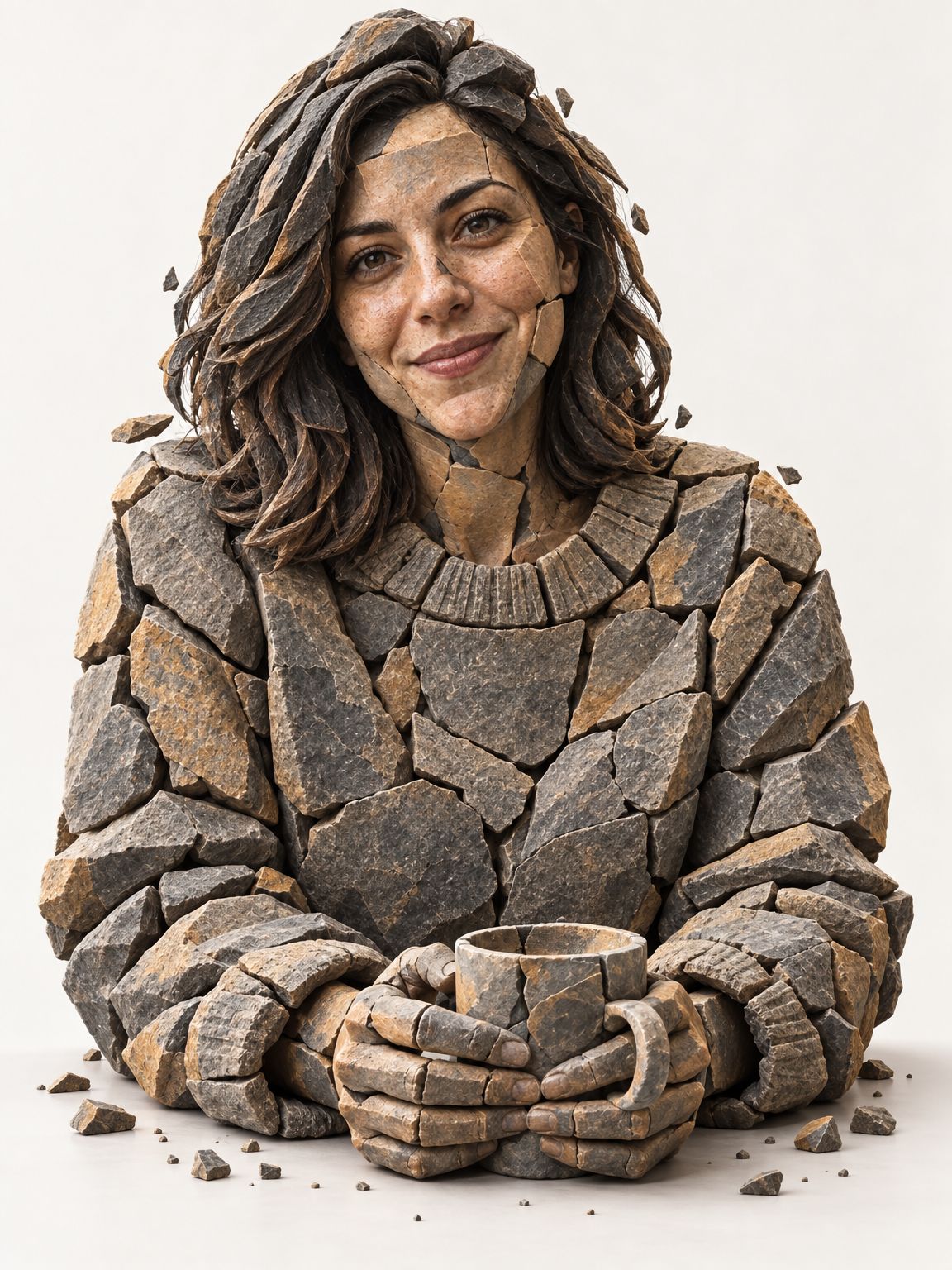
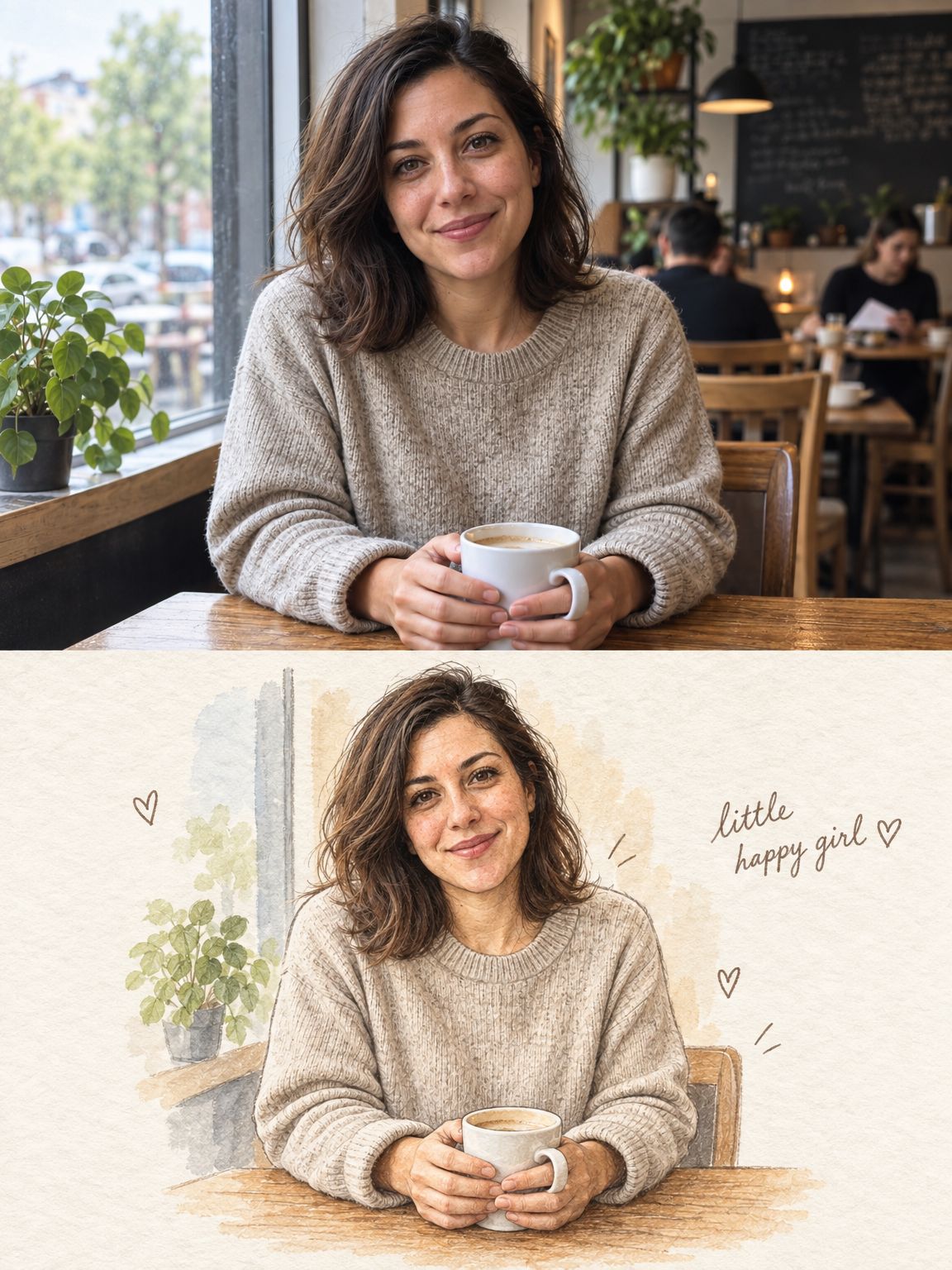
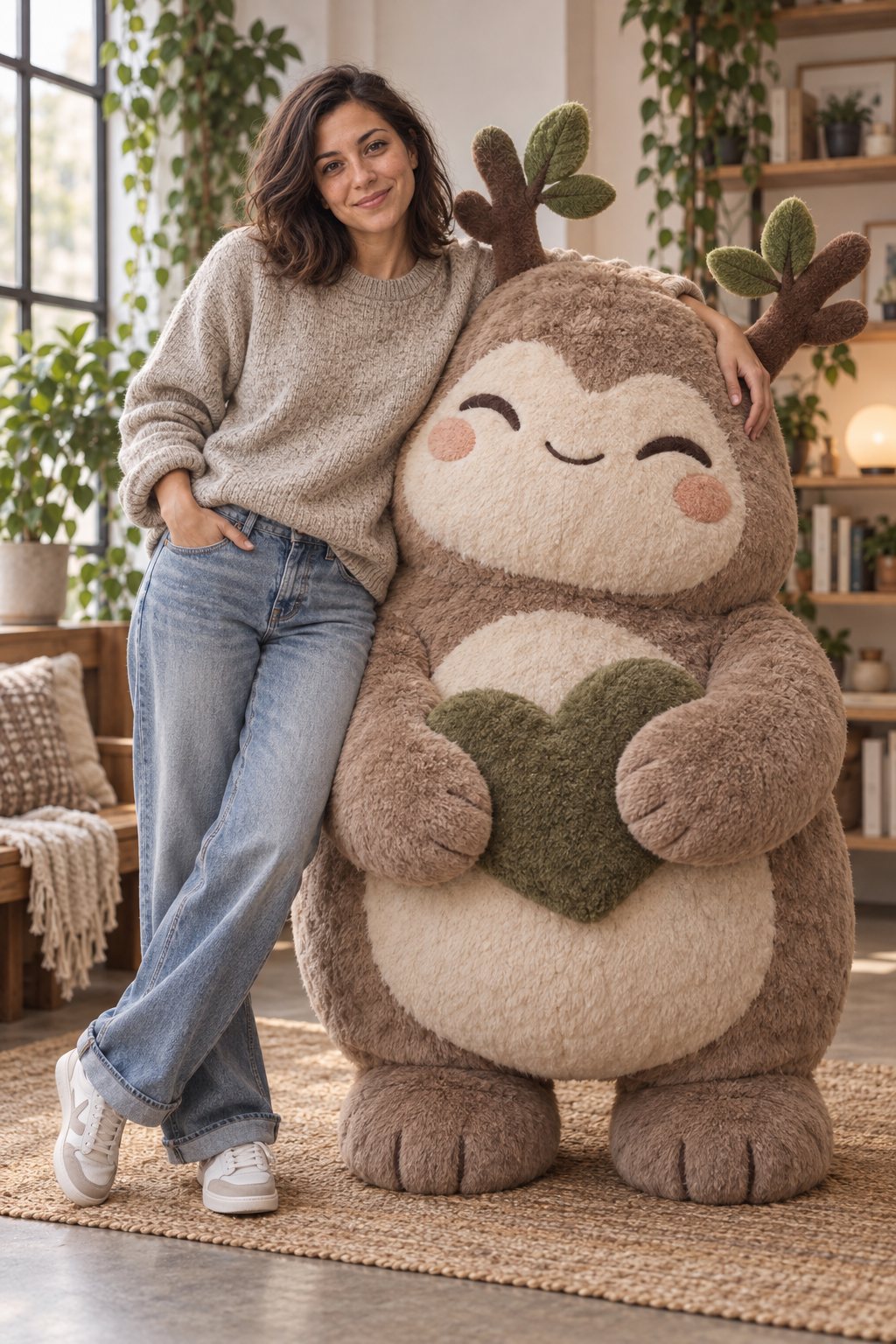
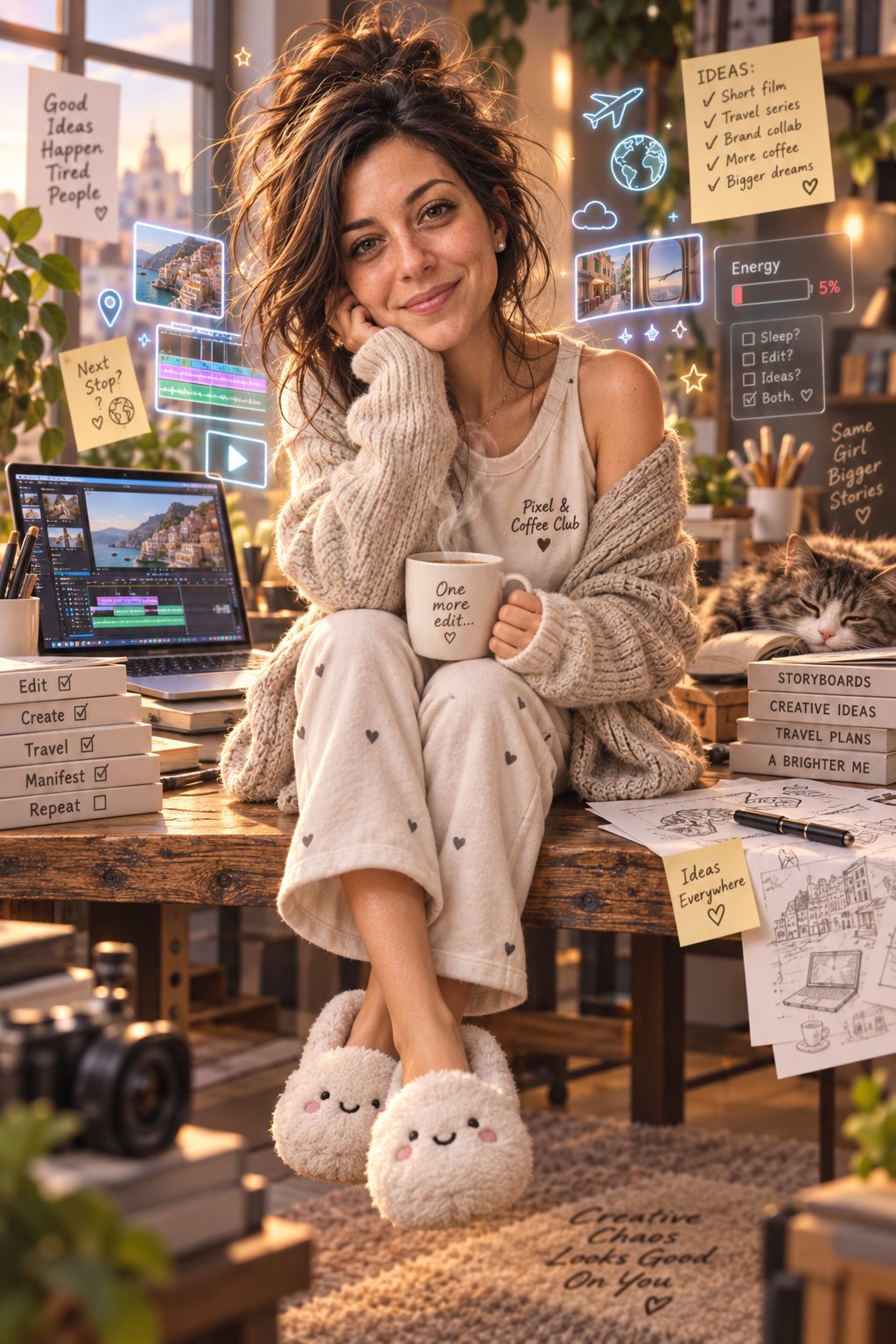
The guide has the prompts for all six, the edit contract they follow, and a Flare vs Sunburst comparison.
Credits
The prompts are by their authors; each card in the guide names the author and links the original post. The collection is YouArt’s, taken from EvoLinkAI’s and YouMind OpenLab’s prompt lists; the terms each of them stated are in the guide. The images in this post are mine, made with GPT Image 2.5, and all people in them are fictional. The style library prompts and example images are from Visual AI Club and belong to their authors; each card credits the author and links the source.